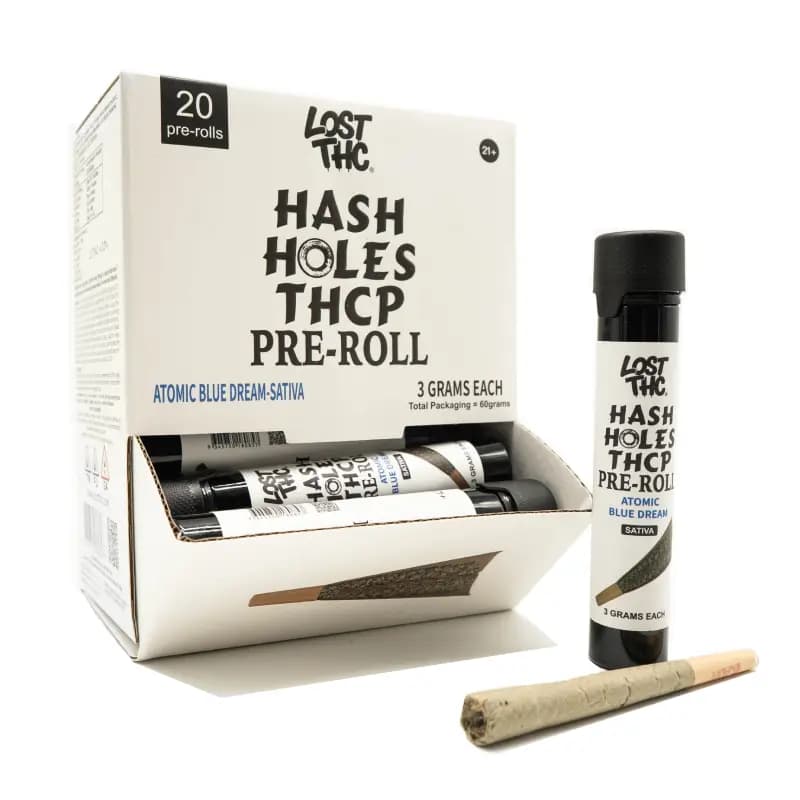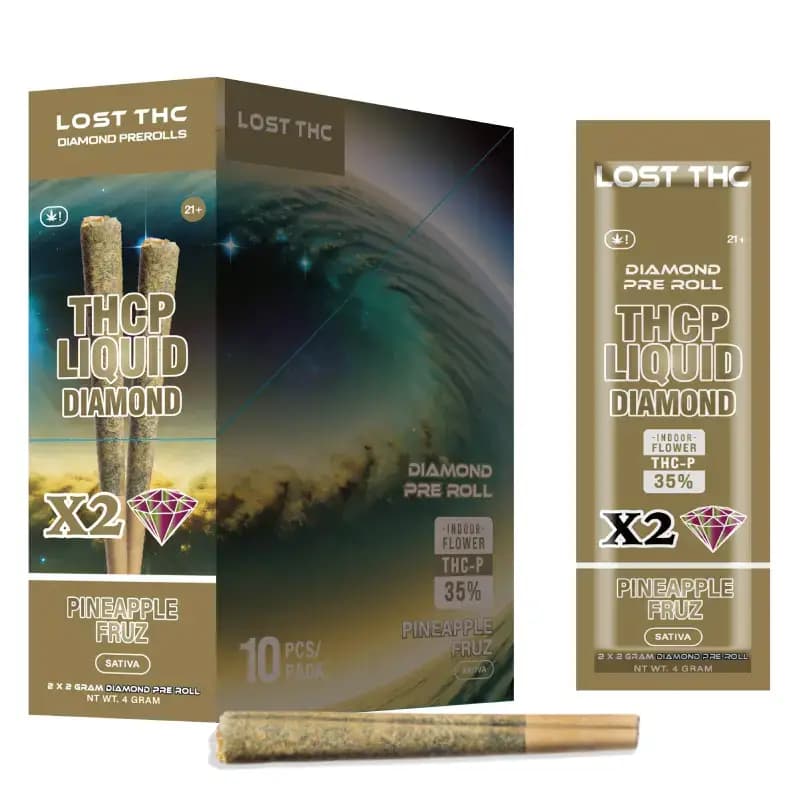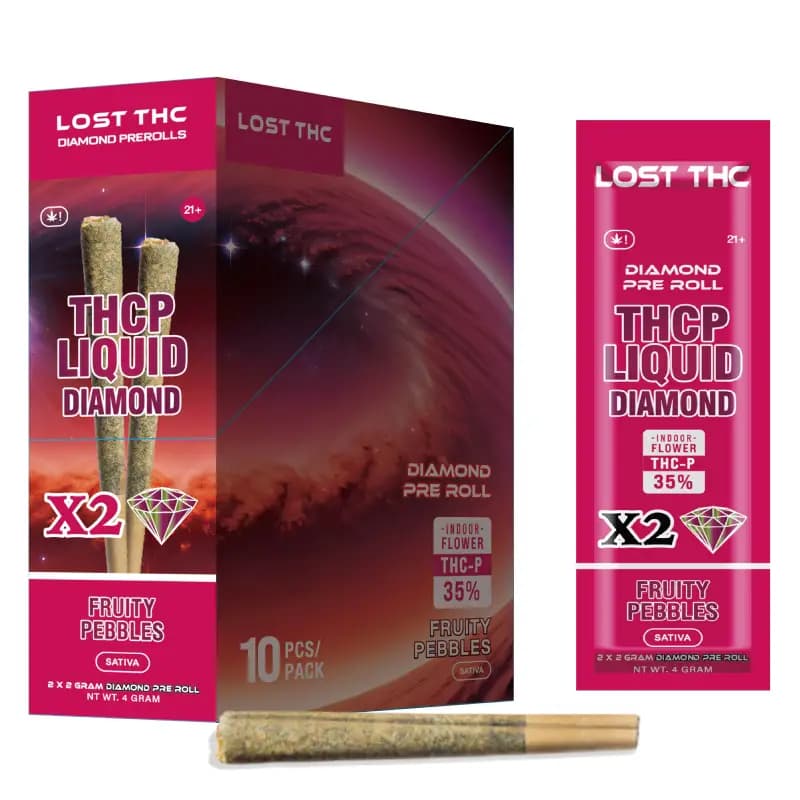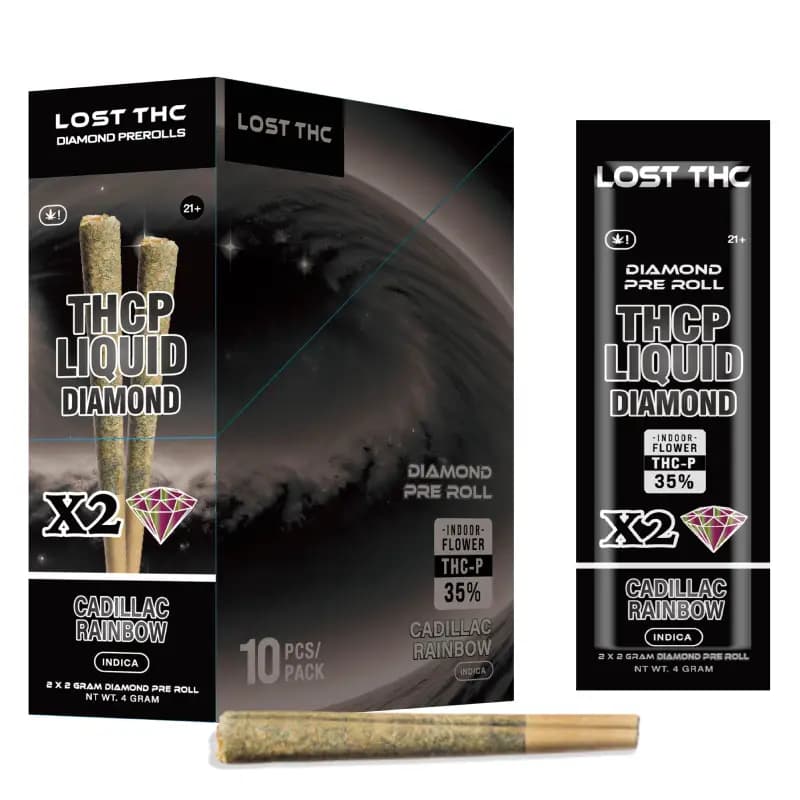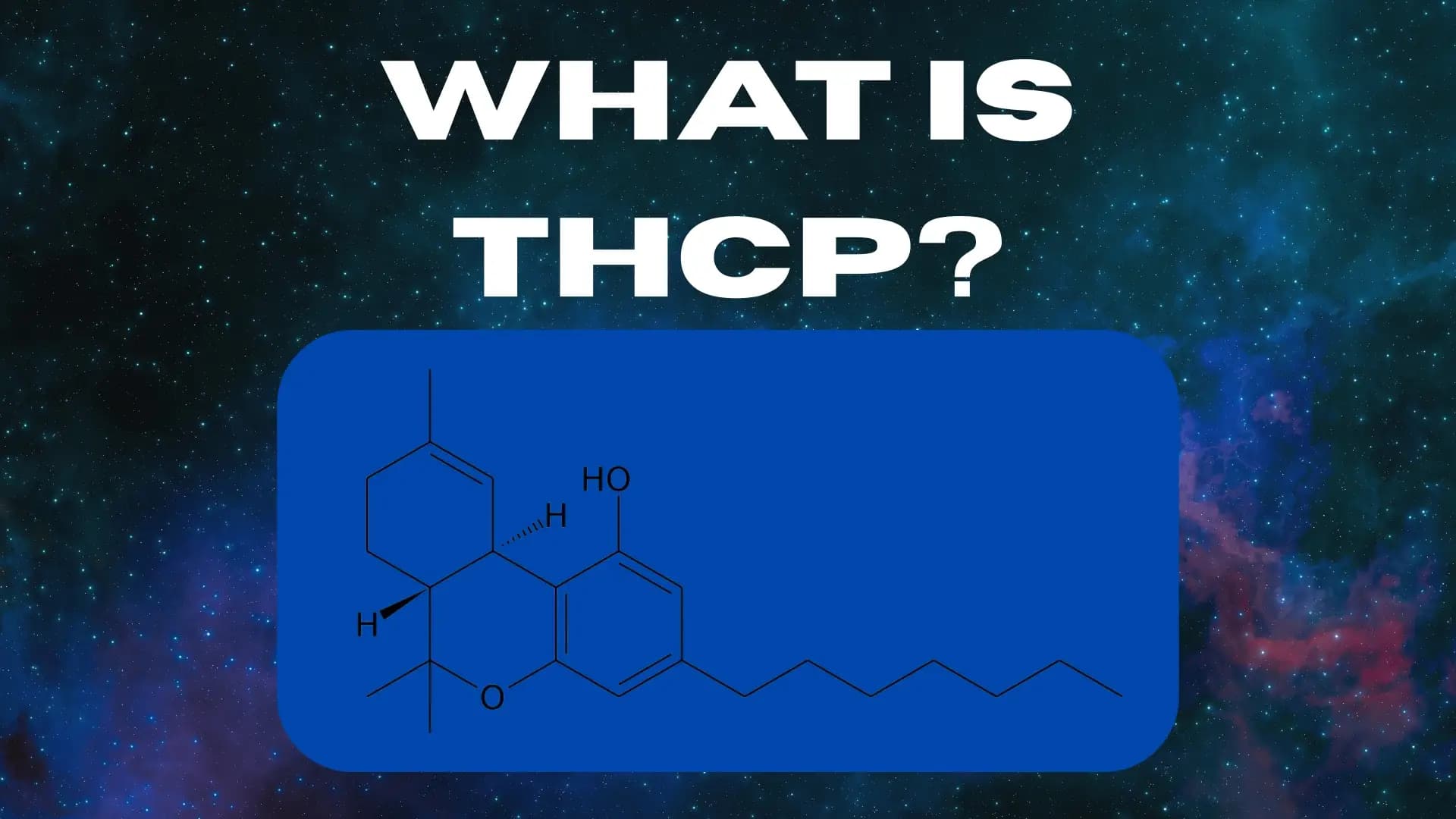
What is THCP?
THCP is a phytocannabinoid (plant cannabinoid) that resembles Delta-9 THC, but it has a longer alkyl side chain (seven carbons instead of five). That difference matters because it influences how strongly the compound can interact with cannabinoid receptors.
In the original discovery work, THCP showed very strong binding to the human CB1 receptor in lab testing. That lab result is one reason THCP developed a reputation for potency.
A reality check that matters: receptor binding is not the same thing as “how high you feel.” Real-world effects depend on dose, formulation, your tolerance, metabolism, and the rest of the cannabinoid and terpene blend.
In plain terms: THCP is a rare THC-like cannabinoid that can feel intense at low milligram amounts for some people, especially in products designed for potency.
THCP vs THC: what is the difference?
THCP and Delta-9 THC are cousins, not clones.
Key differences people notice:
-
Dose sensitivity: Some users report THCP “kicks” at smaller doses than they expect.
-
Perceived strength: People often describe THCP blends as “heavier” or “deeper” than basic Delta-8 or mild Delta-9 hemp items.
-
Duration: Depending on the product type, some users report THCP effects feel longer than short-acting options.
None of that is a promise, just the typical pattern of why THCP exists in the market at all.
Is THCP synthetic?
This is where a lot of confusion starts.
THCP itself is natural. It was identified in cannabis as a naturally occurring compound.
But most commercial THCP is produced through conversion. Because the plant contains THCP in very small amounts, brands typically obtain THCP by converting hemp-derived cannabinoids into THCP in a lab setting, then purifying it for formulation. Many sources describe this as “semi-synthetic” production because it is not extracted in meaningful quantity directly from flower.
So what do we call it?
-
Not “fake”: the molecule is the molecule
-
Not usually “extracted from bud”: too rare to do at scale
-
Usually “converted from hemp cannabinoids”: how most supply chains work
If you want a simple rule: the question is less “synthetic or natural?” and more “is it made and tested responsibly?”
How is THCP made (at a high level)?
Without getting into lab instructions, the high-level picture looks like this:
-
Start with hemp-derived cannabinoids that can be legally sourced at scale (commonly CBD).
-
Convert those cannabinoids into a target molecule (THCP) using controlled chemistry.
-
Purify and verify the output so the final ingredient is consistent.
-
Formulate it with other cannabinoids and terpenes into vapes, carts, or pre-roll blends.
-
Test the final product so the compliance numbers match what is required for sale.
This is why reputable brands obsess over COAs and batch documentation, not hype.
Is THCP legal?
THCP legality is not one simple yes/no. It is “federal framework + state reality.”
1) The federal baseline (United States)
The 2018 Farm Bill created a federal definition of hemp based on Delta-9 THC concentration (0.3% by dry weight) and removed hemp from Schedule I, but it did not neatly answer every question about modern hemp-derived intoxicating cannabinoids in finished products.
Also, federal agencies have issued rules and interpretations related to how hemp is implemented and what is controlled under federal law.
2) State laws and enforcement are the real gatekeepers
Even when something fits a federal definition, states can still restrict or ban intoxicating hemp products. That trend has been accelerating, with more states moving toward tighter regulation, limiting potency, or forcing products into licensed cannabis channels.
3) Watch the direction of travel
By late 2025, there has been significant public reporting and legal commentary about Congress and states moving to close the “intoxicating hemp” gap, with proposed or passed measures aimed at restricting products that create intoxication, not only Delta-9 THC in isolation.
Practical takeaway: THCP products might be available in some places and restricted in others. If you are buying or selling, you need to follow your state rules, not internet opinions.
Note: This is general information, not legal advice.
What does Lost THC use THCP for?
At Lost THC, THCP is used as part of multi-cannabinoid formulas across vapes, gummies, and pre-rolls to hit two goals at the same time:
-
Potency that actually feels premium
THCP is used in measured amounts alongside other cannabinoids to create a stronger, more noticeable experience than basic “single-cannabinoid” blends. -
Compliance-first formulation
The point is not to be reckless. The point is to formulate products that can be sold under hemp rules where allowed, with lab testing and documentation that supports compliant Delta-9 THC thresholds.
In other words: THCP is one tool in the toolbox, not the whole story. The real “Lost THC effect” comes from how the blend is built, not just one cannabinoid name on a label.
THCP benefits: what people mean (and what’s actually supported)
When people say “THCP benefits,” they usually mean experience benefits, not medical claims.
Common reasons people choose THCP products:
-
Stronger perceived effects at lower doses compared to milder cannabinoids
-
More “full” or “heavy” feel in blends designed for potency
-
Better value for high-tolerance users who are tired of products that feel weak
-
Longer-lasting feel for some users depending on product type and dose
Important: Research on THCP in humans is still limited, and the market varies wildly in quality. Treat “benefits” as a description of why users shop for it, not a promise of outcomes.
Is THCP safe?
“Safe” depends on dose, product quality, and your situation.
A few harm-reduction basics that apply to THCP especially:
-
Start low if you are new. THCP blends can feel stronger than expected.
-
Avoid mixing with alcohol or other substances.
-
Do not drive or operate machinery.
-
If you are sensitive to THC, prone to anxiety, or have a low tolerance, choose milder options first.
Quality matters a lot here. Look for:
-
Recent COAs
-
Clear cannabinoid panel
-
Transparent brand reputation
-
No wild medical claims
THCP vs Delta-8 vs THCA: quick comparison
-
Delta-8 THC: often described as smoother and lighter
-
THCA products (heated): can feel closer to traditional THC experiences depending on chemistry and conversion when used
-
THCP blends: typically aimed at higher potency and stronger feel in smaller amounts
Availability and legality vary heavily by state, so the “best” choice often comes down to what is allowed and what matches your tolerance.
FAQ: What is THCP?
Does THCP get you high?
THCP is generally discussed as an intoxicating cannabinoid, and many users report strong effects, especially in blends. How it feels depends on dose and tolerance.
Is THCP stronger than Delta-9 THC?
Lab receptor binding suggests strong activity, but “stronger” in real life depends on product formulation and dose.
Is THCP natural or man-made?
It is natural in cannabis, but most commercial THCP is produced by converting hemp-derived cannabinoids because the plant contains it in tiny amounts.
Is THCP legal everywhere?
No. Even if something fits a federal hemp definition, many states restrict intoxicating hemp products.