CB9A is one of those newer cannabinoids you’ll see listed on hemp products (especially vapes) as CB9A or sometimes just CB9. In most cases, it is not something brands are extracting from raw flower in meaningful amounts. It is typically created from hemp-derived CBD as a starting material, then refined into a compound that can be used in blended formulas.
And because the naming is not standardized across the industry, you will see people describe it in totally different ways online. Some sellers even tie CB9A to specific chemical identifiers like cannabicyclohexanol.
What is CB9A, exactly?
Think of CB9A as part of the “new cannabinoid” wave: compounds created or modified from legal hemp inputs (often CBD), then used in small percentages to shape the overall feel of a product.
A few important notes to keep it honest:
-
CB9A is not as well-defined (publicly) as CBD, Delta-9 THC, or THCA.
-
The marketplace often treats “CB9” and “CB9A” as the same thing, but labeling practices vary.
-
What matters most is what’s actually in the oil, which is why lab testing is a big deal with newer cannabinoids.
Is CB9A natural or synthetic?
Most CB9A on the market is best described as semi-synthetic or lab-created because it’s typically produced through chemical conversion starting from hemp-derived CBD (instead of being directly harvested from the plant in high amounts).
That is not automatically “bad,” but it does raise the bar on:
-
Purification
-
Contaminant screening
-
Accurate labeling
A peer-reviewed analysis of commercially available CBD products found widespread labeling inaccuracies and detected contaminants like heavy metals, residual solvents, and pesticides in some products, which is one reason third-party testing should be non-negotiable in this space.
Why CB9A products should always be third-party tested
With newer cannabinoids, the biggest risks are usually not the idea of the cannabinoid itself, but the basics:
-
Is the label accurate?
-
Are potency numbers real?
-
Are residual solvents or byproducts present?
Peer-reviewed studies on the hemp intoxicant market have found mislabeling and potency inaccuracies in related product categories, which is exactly why COAs (certificates of analysis) should be non-negotiable.
What a real COA should include
When you’re buying CB9A (or any novel blend), don’t settle for a potency-only screenshot. A complete COA should include:
-
Cannabinoid potency panel (what’s in the oil)
-
Residual solvents
-
Heavy metals
-
Pesticides
-
Microbials (and sometimes mycotoxins)
If a brand cannot show all of that, you are taking the risk for them.
Example: what a real blend looks like on a COA
Here’s a quick example of how a blended vape formula can show up on a potency panel (like the one you added for one of your vapes):
-
Delta-8 THC: 49.613%
-
CBD: 27.372%
-
Delta-9-THCP: 10.471%
-
Plus smaller amounts of minors like CBN (0.783%), Delta-8-THCP (0.576%), THCV-A (0.331%), and others listed.
This is exactly why COAs matter: blends are not “one cannabinoid.” They are formulas.
What does CB9A feel like?
People typically buy CB9A products because they want something that feels:
-
stronger than “light” cannabinoids
-
more noticeable in a blend
-
smoother in a vape formula when balanced right
But real talk: the experience depends heavily on the full formula (CB9A + whatever else is in the oil), the device hardware, and your tolerance. That’s also why you’ll see CB9A most often used as a support cannabinoid in blends, not as the only active.
How does Lost THC use CB9A?
At Lost THC, we use CB9A the way it should be used: as part of a layered cannabinoid formula.
Instead of leaning on one compound and calling it “strong,” we blend CB9A with other cannabinoids to:
-
push potency higher without making the oil feel one-dimensional
-
build a fuller, heavier experience in vapes
-
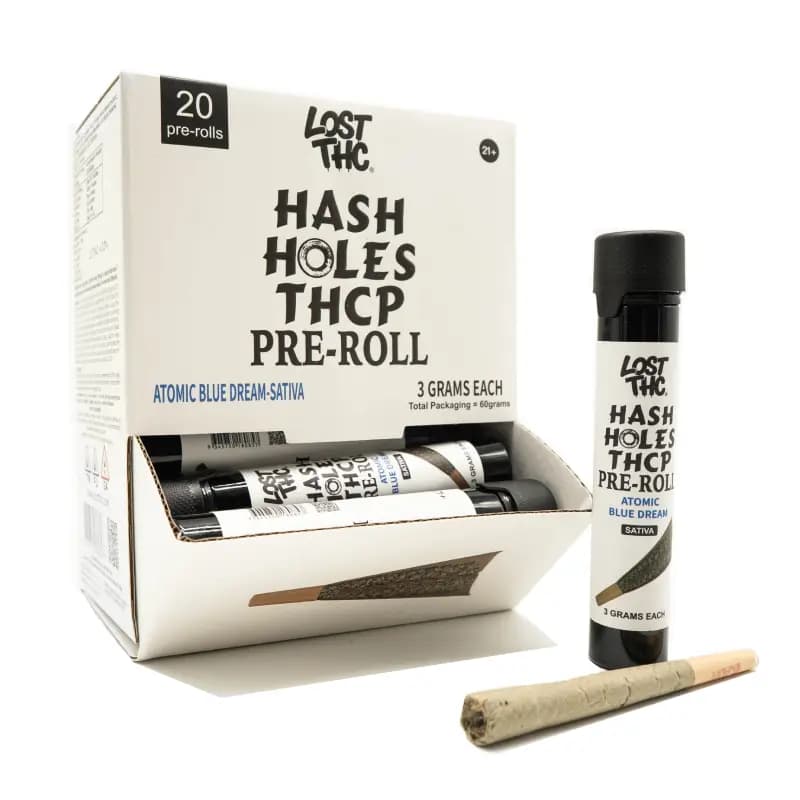
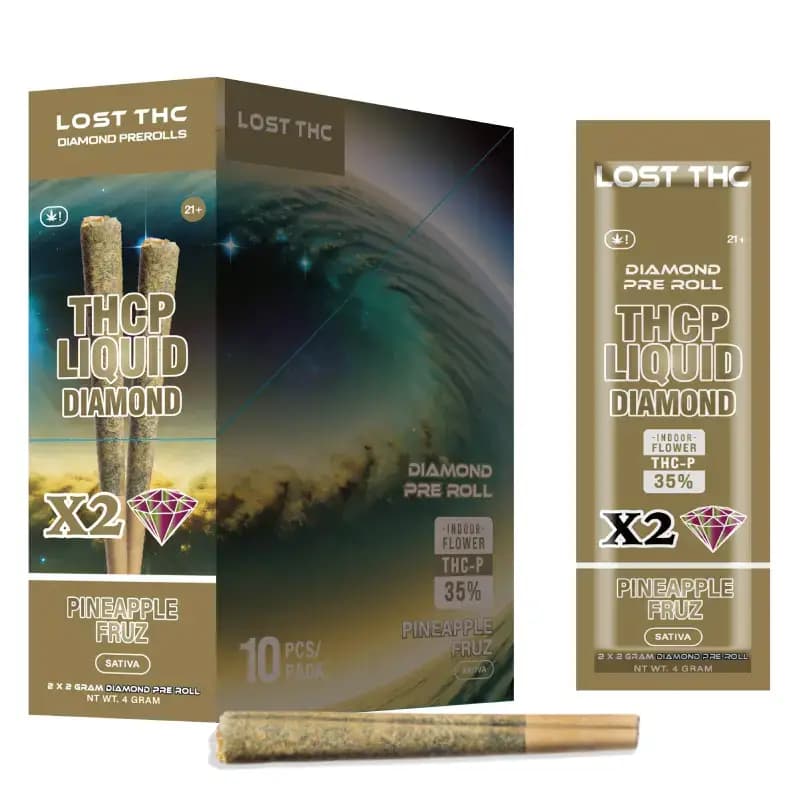
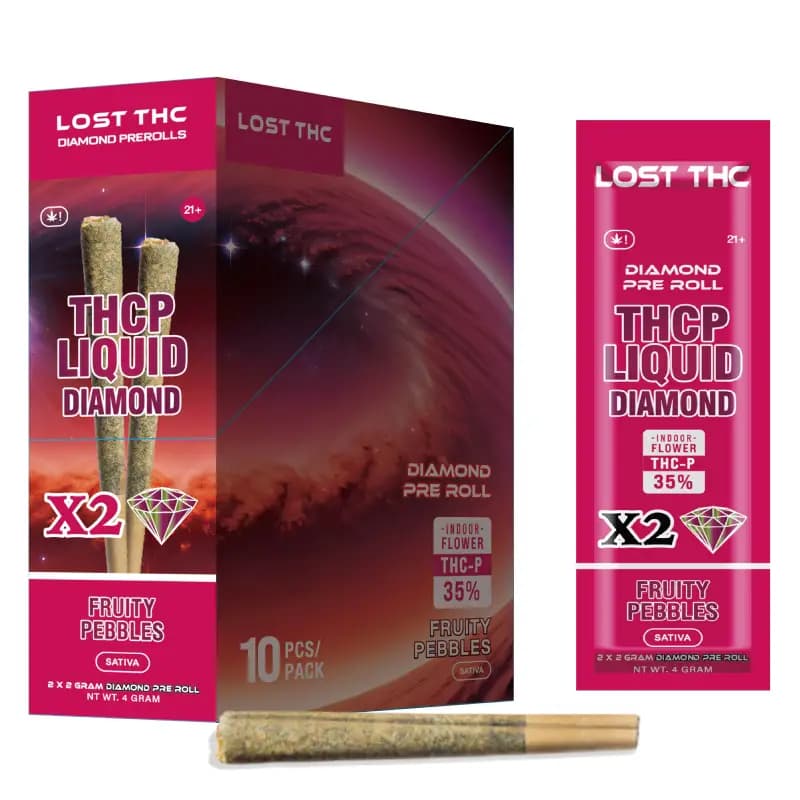
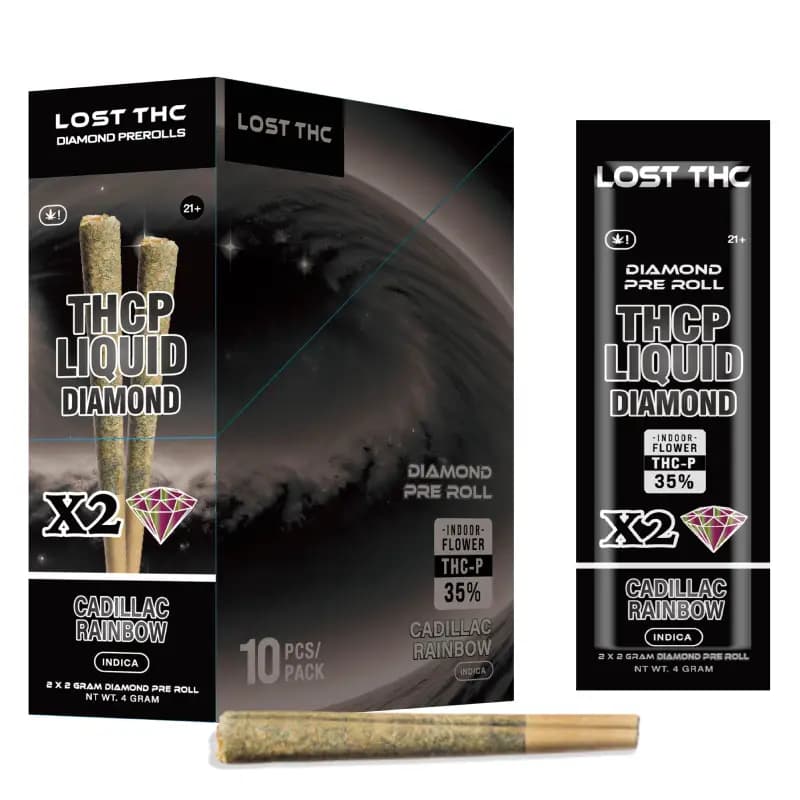
enhance infused pre-roll formulas by pairing CB9A with complementary cannabinoids
In other words, CB9A is one of the tools in the toolbox. The end goal is a product that hits like it’s supposed to, tastes right, and stays consistent from the first pull to the last.
[SHOP OUR VAPES] [SHOP OUR PRE-ROLLS]
CB9A vs THCA vs THCP vs Delta-8
Here’s a simple way to think about the roles these can play in a formula:
-
THCA: Often used to deliver a more “true cannabis” style experience when heated (it converts when decarbed), and it is a staple in many hemp-derived product lines.
-
THCP: Typically used in very small amounts because it is known for being intense for many consumers.
-
Delta-8: Often used as a “base” cannabinoid in blends for body and smoothness.
-
CB9A: Often used as a strength and depth booster inside a blend, especially when brands want a noticeable step up.
(Exact effects vary, and none of this is medical advice.)
Is CB9A legal?
CB9A legality is not one simple sentence.
In the real world, legality depends on:
-
your state’s hemp rules
-
how the product is manufactured
-
whether the final product meets applicable THC limits
-
how regulators in that state treat “novel cannabinoids”
So the safe way to say it is: always check your local rules and only buy products that are transparent about testing and compliance. (If a brand is vague, that is your sign.)
FAQ
Is CB9 the same as CB9A?
Many sellers use the terms interchangeably, but naming is inconsistent across the market. Treat them as “possibly the same” until you confirm via the COA and product description.
Can CB9A show up on a drug test?
It might. Many drug tests look for THC-related metabolites, and products in this category can vary. Do not assume you are “safe” for testing.
Why do brands blend CB9A with other cannabinoids?
Because blends can be tuned for stronger effects, smoother delivery, and a more consistent experience than relying on one compound alone.