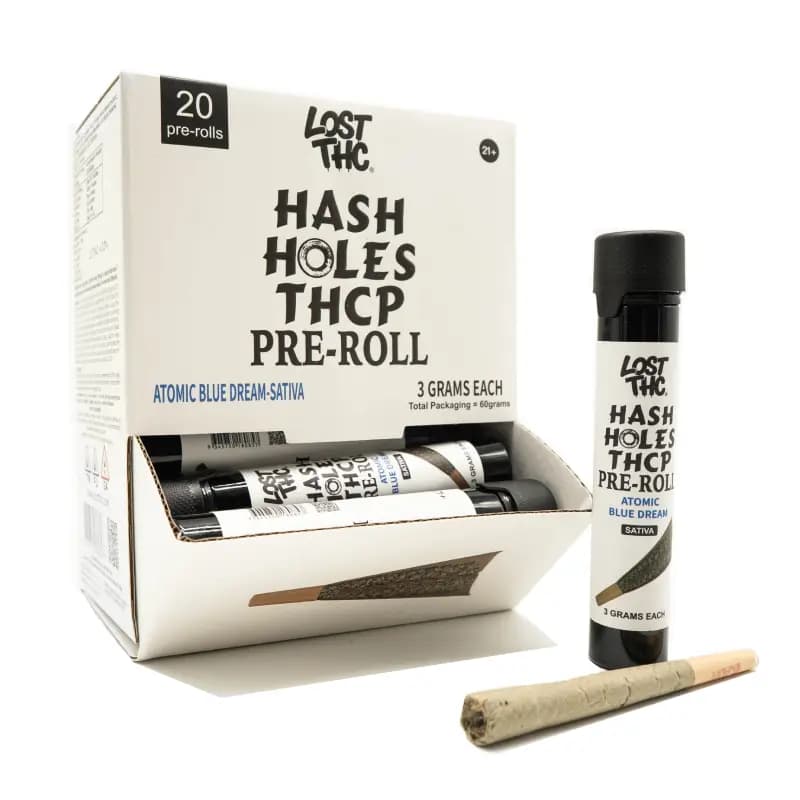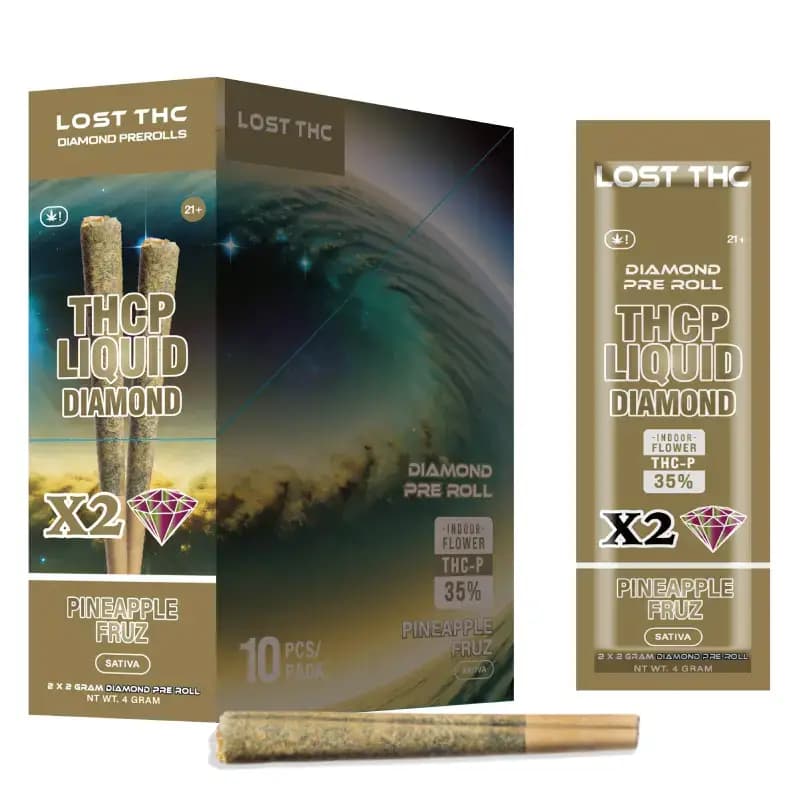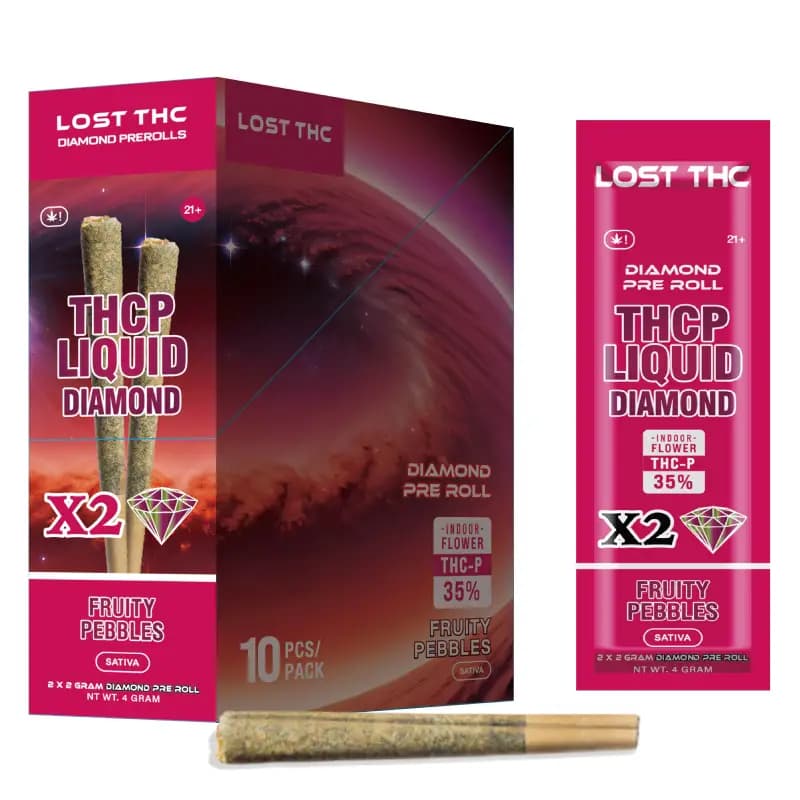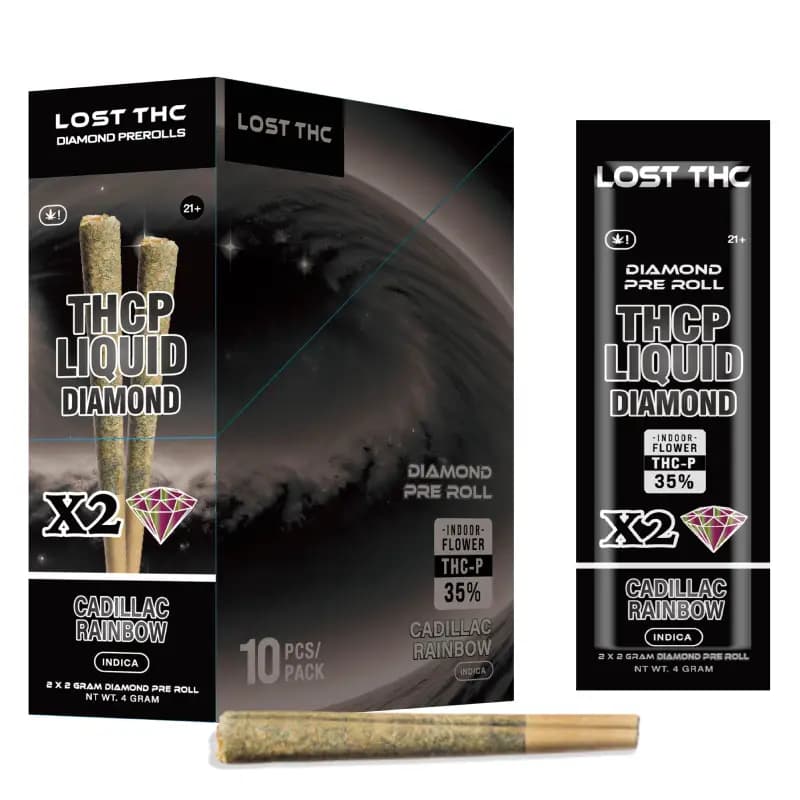
WELCOME TO HHCP
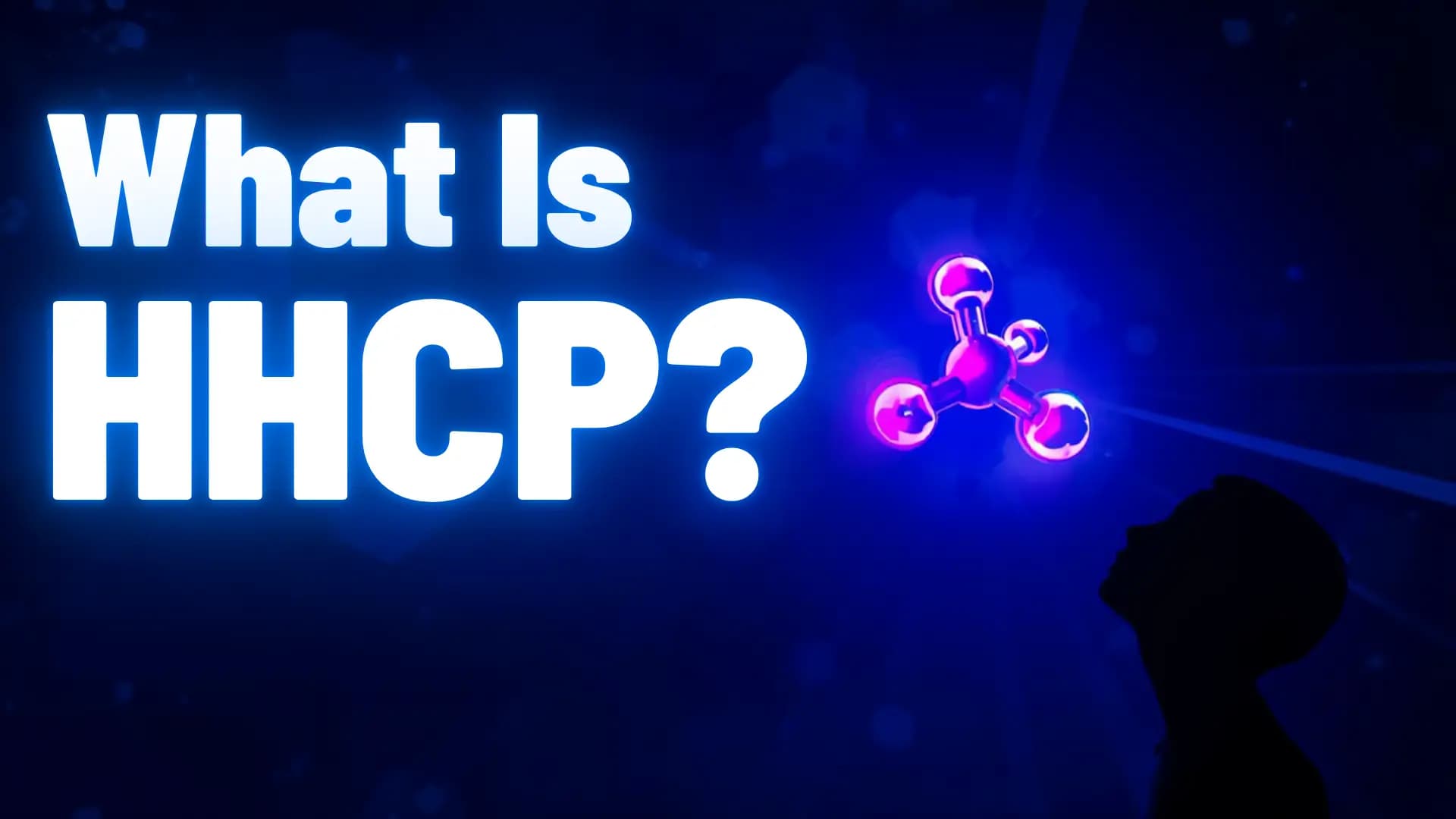
HHCP is short for hexahydrocannabiphorol. It is a semi-synthetic cannabinoid that shows up in hemp products (especially vapes) because it is manufactured from other cannabinoids instead of being “extracted” from flower in meaningful amounts. Most descriptions you see online point to HHCP being made by hydrogenating THCP (a cannabinoid reported as a trace natural component), which changes the molecule and can also change how it behaves in a formula.
If you are here because you keep seeing HHCP on labels and on our products, it is this: HHCP is part of the newer wave of semi-synthetic cannabinoids (SSCs), where brands like us use controlled inputs, refined processes, and testing to create repeatable cannabinoid profiles.
HHCP vs THC, THCP, and HHC
HHCP gets compared to THC a lot because it is intoxicating and structurally related to THC-like cannabinoids, but it is not the same thing as classic Delta-9 THC. Researchers and forensic labs generally describe HHCP alongside other semi-synthetic cannabinoids that have appeared in recent years, including HHC and THCP.
A useful way to think about it:
-
THCP is a THC-like cannabinoid reported in cannabis at trace levels.
-
HHCP is often described as a hydrogenated derivative of THCP.
-
HHC is a different hydrogenated THC-like cannabinoid that also shows up in the modern hemp market.
-
Delta-9 THC is the classic cannabinoid most people mean when they say “THC.”
Related Cannabinoids
Is HHCP synthetic?
HHCP is usually best described as semi-synthetic.
It is not typically pulled from flower like you would with many naturally abundant cannabinoids. Instead, it is produced using chemical conversion steps from cannabinoid starting materials (often hemp-derived inputs), and then refined for use in products. Scientific and medical literature discussing these “SSCs” distinguishes them from fully synthetic cannabinoids that are not structurally related to phytocannabinoids, but it also makes clear they are not simply “natural flower extracts.”
So if your definition of “synthetic” is “made using chemical processes,” then yes, HHCP fits that idea. If your definition is “spice-type lab cannabinoids unrelated to cannabis,” then no, HHCP is not that category.
What does HHCP do?
HHCP is generally marketed as a strong, long-lasting THC-like cannabinoid. It's reported that the effects are gradual, calming, and euphoric. This makes this cannabinoid stand out because the effects are more cerebral and stronger than Delta-9.
HHCP safety: what you should know before you use it
No brand can honestly claim HHCP is “proven safe” in the way something like caffeine is broadly understood. The responsible stance is:
-
Long-term data is limited.
-
Potency can be higher than people expect, especially in blends.
-
Impairment is real, and you should treat it like any intoxicating cannabinoid.
If you choose to use HHCP products, harm reduction basics matter:
-
Start low, especially if you are not a high-tolerance user.
-
Do not drive or operate anything risky after use.
-
Avoid mixing with alcohol or sedating meds.
-
Keep away from minors and pets, and store it like an adult product.
And one more practical point people overlook: drug testing. Even if a quick screen does not pop the way you assume, more advanced testing can identify metabolites, and research on HHCP metabolism is actively developing.
Why Lost THC uses HHCP in vape formulations
At Lost THC, HHCP is used as a supporting cannabinoid inside broader blends, not as a gimmick.
Here’s the real reason it shows up in formulations:
We build for the whole session. A lot of vapes feel strong for 5 minutes and then fall off, or they hit harsh and one-note. HHCP, when used responsibly in a blend, can help create a more complete profile that feels intentional from the first pull to the last.
We build for consistency. We care about repeatability. That means standardized inputs, tight formulation targets, and lab-backed batches. HHCP is part of that toolkit.
We build with compliance in mind. Hemp rules are moving fast, and definitions and enforcement priorities are changing. The smart approach is transparent labeling, real testing, and products designed to meet the framework you are selling under.
If you are shopping, the takeaway is simple: don’t buy HHCP because it “sounds strong.” Buy it only when the brand is transparent about what’s in it, has COAs, and is clearly treating it as an adult-use intoxicating product.
Is HHCP legal?
HHCP legality depends on where you are, how a product is made, how it is marketed, and what regulators decide counts as “THC-like” under evolving hemp rules. Legal analysts have also flagged upcoming federal changes that could affect how hemp-derived intoxicating cannabinoids are treated, including a shift toward “total THC” style definitions and broader categories of cannabinoids marketed as having THC-like effects.
So the honest answer is: it varies, and you should always check your state rules before ordering or carrying products.
How to shop HHCP products without getting burned
If you are going to buy HHCP, look for basics that signal a real operator:
-
COAs that match the batch and product type
-
Clear cannabinoid breakdown (not mystery blends)
-
Real ingredient disclosure and hardware details (for vapes)
-
A brand that talks about safety like an adult, not like a hype page
If a listing is vague, refuses to say what HHCP is, or leans on wild claims, skip it.
FAQ
Will HHCP get you high?
HHCP is generally treated as an intoxicating cannabinoid in the marketplace, and published discussions of semi-synthetic cannabinoids include HHCP among compounds associated with impairment concerns.
Is HHCP naturally in cannabis?
HHCP is widely described as semi-synthetic and commonly associated with production processes (often described as hydrogenation of THCP) rather than direct extraction from flower.
Can HHCP show up on a drug test?
Research has specifically focused on identifying HHCP metabolites in urine and on analytical detection of these compounds, which is a strong signal that testing and interpretation are actively evolving.